

 See My Latest Article on HelloNation
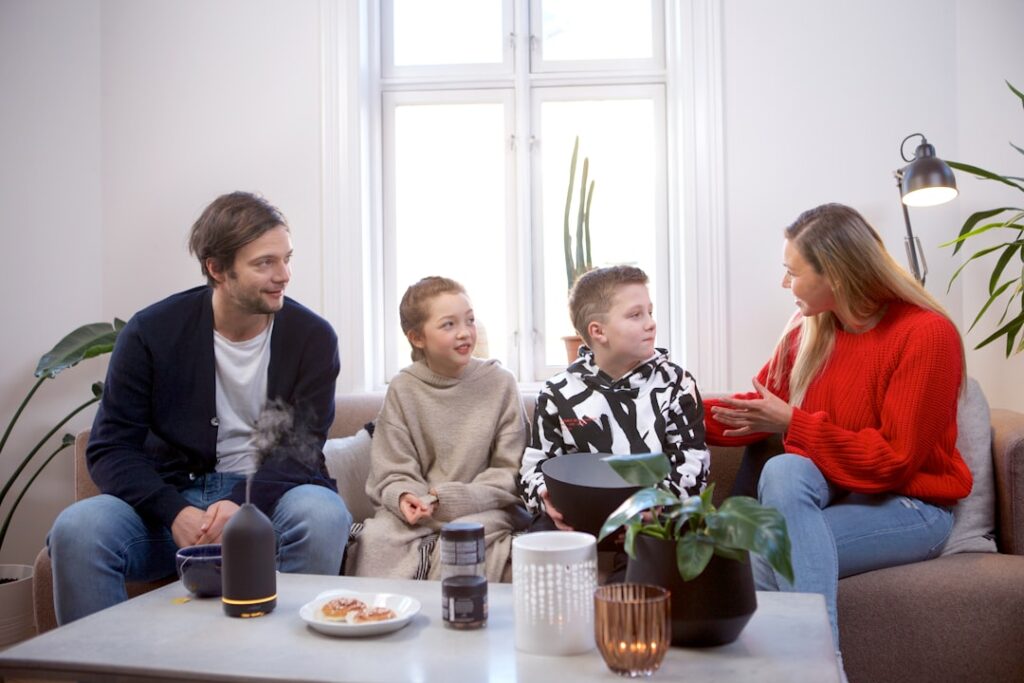
Why Should Children in St Paul, MN Learn About Mental Health?
Children in St Paul, MN encounter challenges unique to their environment: long winters, diverse neighborhoods, changing schools, and busy schedules. Being able to talk about mental health can help local families create supportive home environments and address concerns before they become larger issues. Open conversations reduce stigma and give kids the language to ask for help.
Starting mental health discussions early also builds emotional literacy, helping children identify feelings such as sadness, worry, or anger, and understand that these experiences are normal. Outside influences—like news events, peer pressure, and academic expectations in the city’s schools—make it even more relevant for local families to address these topics calmly and proactively.
How Can Parents and Caregivers Begin Mental Health Conversations?
It usually helps to start with everyday observations, rather than waiting for a crisis. In normal routines—such as after school, during an indoor winter activity, or on a neighborhood walk—caregivers can gently raise questions about feelings or changes in mood.
Simple approaches include:
- Naming your own emotions: “I felt frustrated today when the car wouldn’t start.”
- Inviting children to share: “How did you feel during math class today?”
- Using children’s stories, books, or local events as conversation starters
Beginning the conversation in a familiar environment puts children at ease and normalizes talking about emotions. Avoiding medical or diagnostic language makes it less intimidating, especially for young kids.
What Are Good Ways to Explain Mental Health to Children?
Children process complex ideas best through relatable examples and clear, concrete language. Explaining mental health as “how we feel, think, and handle tough situations” is a common approach.
- Younger children often understand by comparing mental health to physical health. For example: "Just like we wash our hands to stay healthy, we talk about our feelings to keep our minds healthy."
- School-aged kids benefit from specific examples: “If someone feels sad for a long time or seems very worried, it helps to talk to trusted adults.”
- Stories about characters or people they know—perhaps from local community centers or school clubs—can make the topic real and less abstract.
Highlight that everyone has emotions—sometimes good, sometimes tough—and talking is a normal way to manage them.
When and Where Should These Talks Happen?
There’s no need for a special occasion or a set script. Everyday moments work best in local households, especially during:
- Bedtime routines, when children are relaxed
- Car rides or bus commutes, when there are fewer distractions
- Family meals or during downtime indoors, especially in the winter
The key is a supportive setting where children do not feel rushed or judged. Creating an ongoing dialogue—rather than a one-time “talk”—makes it easier for children to check in whenever something is on their mind.
What Should Caregivers Avoid Saying or Doing?
Sometimes adults unintentionally discourage children from sharing by using minimizing language or expressing visible discomfort. Common pitfalls include:
- Dismissing feelings: “Don’t be silly, there’s nothing to worry about.”
- Trying to “fix” everything immediately, instead of listening
- Pressuring children to share before they’re ready
- Responding with shock or criticism

Instead, aim for calm, neutral responses and validation—”That sounds hard,” or “Thank you for telling me how you feel.” It’s okay if you don’t have all the answers; being present and listening is often enough.
How Can Local Culture and Seasons Influence Mental Health Discussions?
St Paul’s changing seasons and strong sense of community can both challenge and support mental health conversations. Long, cold winters may bring more indoor time and sometimes contribute to mood changes, making it especially important to check in about feelings. Warm, diverse summer events offer natural opportunities to connect outdoors and build positive routines.
Highlighting local experiences—how winter makes people feel or how traditions and festivals can improve mood—can help children see that their feelings are influenced by their environment and are shared by others around them.
What Signs Might Suggest a Child Needs Extra Support?
While occasional mood swings or worries are typical, area caregivers should watch for patterns that persist, such as:
- Withdrawing from normal activities (school, friends, clubs)
- Changes in eating or sleeping
- Persistent sadness, irritability, or worry
- Drop in school performance
- Sudden changes in behavior after stress, such as family moves or loss
If these signs continue for several weeks or seem to interfere significantly with a child’s daily life, it might be time to consult with a school counselor or pediatrician. School staff in the city are often equipped to provide initial guidance.
How Can Households Encourage Ongoing Openness?
Building habits of open dialogue creates a strong foundation for children and teens to seek help when needed. Local families can:
- Regularly model talking about their own emotions—even simple frustrations like icy sidewalks or delays
- Make “mental health check-ins” a routine, especially during stressful periods such as exam seasons or winter breaks
- Share age-appropriate stories about people overcoming challenges, emphasizing resilience
- Celebrate small successes in managing tough feelings
Over time, these practices can lessen stigma and empower children to see mental health as a lifelong part of their overall well-being.