

 See My Latest Article on HelloNation
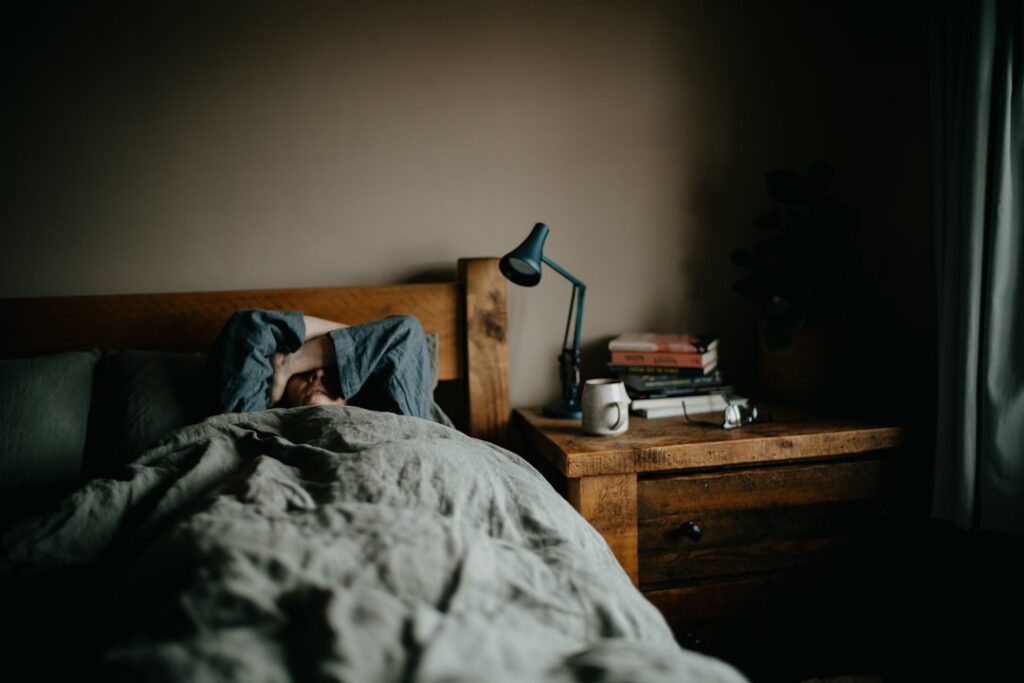
Why Does Sleep Matter for Mental Health?
Quality sleep is closely connected to emotional wellbeing and mental health. Healthy sleep allows the brain to restore itself, process emotions, and regulate stress. Too little or disrupted rest can make it harder to manage daily pressures and maintain a positive mood. In St Paul, MN, where long winters and variable daylight hours impact routines, understanding this link can be especially relevant for area households.
Poor sleep is not just about feeling tired. It increases the risk of developing symptoms of anxiety, depression, and irritability. People struggling with insomnia or persistent sleep problems often notice more intense worries, sadness, or impulsive reactions. Even a few nights of restless sleep can lead to changes in thinking and mood that make daily life more challenging.
What Causes Sleep and Mental Health Issues to Overlap?
There is a two-way relationship between sleep problems and mental health concerns. Sleep issues can contribute to the onset and worsening of mental health conditions, while many mental health challenges—such as depression, anxiety, PTSD, and bipolar disorder—make it harder to get quality rest.
For example:
- Stressful life changes, such as caring for family, financial worries, or seasonal isolation, can keep the brain in “high alert” mode at night.
- Depression can cause both insomnia (not sleeping enough) and hypersomnia (sleeping too much).
- Anxiety often leads to trouble falling or staying asleep, making the next day’s worries even harder to manage.
In the city, local routines may add unique challenges. Limited sunlight during winter can interfere with circadian rhythms, while apartment living or shared housing can mean more ambient noise at bedtime.
What Are Signs Your Sleep Is Affecting Your Mood?
The effects can be subtle at first, but watch for patterns like:
- Trouble focusing at work, school, or during daily tasks
- Feeling more emotionally sensitive, irritable, or overwhelmed by stress
- Losing interest in regular activities or hobbies
- Struggling to manage relationships, such as increased arguments or withdrawal
- Worsening symptoms of an already diagnosed behavioral health condition

For some people in St Paul, disrupted rest may also lead to increased reliance on caffeine, more frequent naps, or the urge to sleep during the day due to darker months.
How Can Residents Improve Sleep to Support Mental Health?
Simple, regular routines have a noticeable impact. These approaches often fit the lifestyle and climate realities in St Paul:
*Set a consistent sleep schedule:* Go to bed and wake up at the same times every day, even on weekends.
*Limit screen time before bed:* Devices emit blue light, which can suppress melatonin. Try switching off phones and TVs an hour before sleep.
*Use light strategically:* Especially in winter, spend some time near windows or outside in daylight hours. Consider lamps designed to mimic sunlight if seasonal changes affect your mood.
*Create a restful sleep setting:* Use blackout curtains to block city lights, minimize noise with earplugs or gentle white noise, and keep the bedroom cool.
*Watch caffeine and alcohol:* Both can interfere with sleep cycles. Local residents may lean on coffee for warmth, but limiting intake in the afternoon can help.
*Wind down before bed:* Reading, gentle stretching, or deep breathing are calming ways to transition into rest.
What Local Factors Could Make Sleep and Mood Challenges Worse?
Seasonal shifts, urban density, and typical housing setups in St Paul sometimes lead to unique sleep disruptions:
Noisy neighborhoods or apartment buildings can make sleeping soundly difficult, especially for shift workers or families.
Strong temperature swings between seasons may mean frequent furnace or air conditioner use, which can be noisy and disrupt sleep.
Street lighting near windows and shorter winter days can interfere with natural sleep-wake rhythms, sometimes contributing to seasonal depression.
St Paul’s extended winter months and early darkness can also make it easy for residents to unintentionally alter their routines, napping more frequently or spending less time outdoors.
When Should Sleep Problems Be Taken Seriously?
A few restless nights are common and usually resolve with healthy changes. However, more persistent issues may signal an underlying mental health condition or a sleep disorder. If sleep troubles last several weeks, cause significant daytime fatigue, or are accompanied by major shifts in mood or functioning, consider discussing concerns with a trusted healthcare provider. For those already managing anxiety, depression, or chronic stress, keeping an eye on sleep patterns can be especially valuable.
Mental health and sleep support are available through public resources, such as school counselors or city health programs, for those who are unsure where to start.